

More than 400 pupils with disabilities and special educational needs from 20 Moldovan general schools have access to education alongside their peers after the educational institutions have been renovated and equipped with the necessary facilities.
This was possible thanks to the pilot project "Integration of Children with Disabilities into Mainstream Schools". The project is financed with a grant of US $ 2.86 million, which is provided by the Government of Japan through Policy and Human Resources Development (PHRD) Fund administered by the World Bank and managed by the MSIF. The presentation of the project results took place on Monday, January 29, 2018.
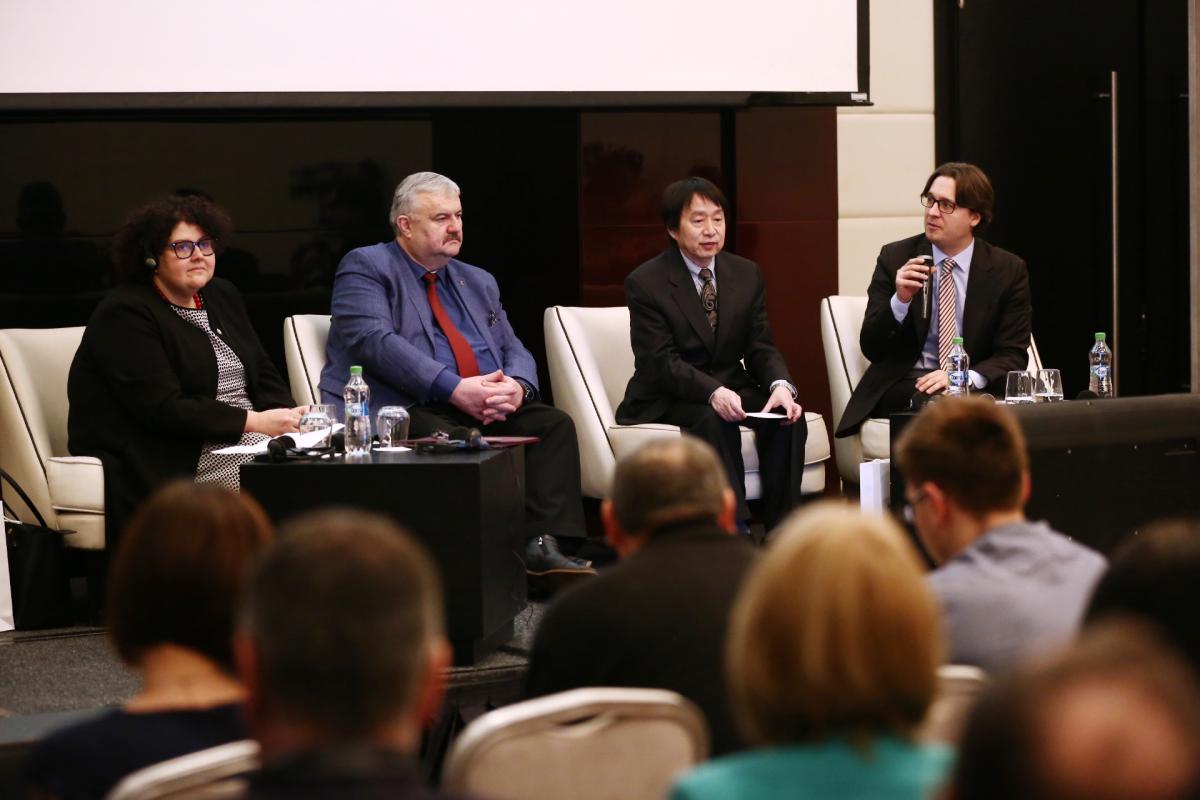
Mircea Esanu, the Executive Director of the Moldova Social Investment Fund, said: "Today we are trying to see those lessons, learned during the Project implementation process, which involves thousands of people, including teachers, school managers, rayon administrations, education directorates, parents, and children, who are benefiting from this grant. Inclusion of children with special educational needs is one of the issues that can bring us closer to civilized states with respect for human rights and those, who know how to prevent discrimination and justify the inclusion."
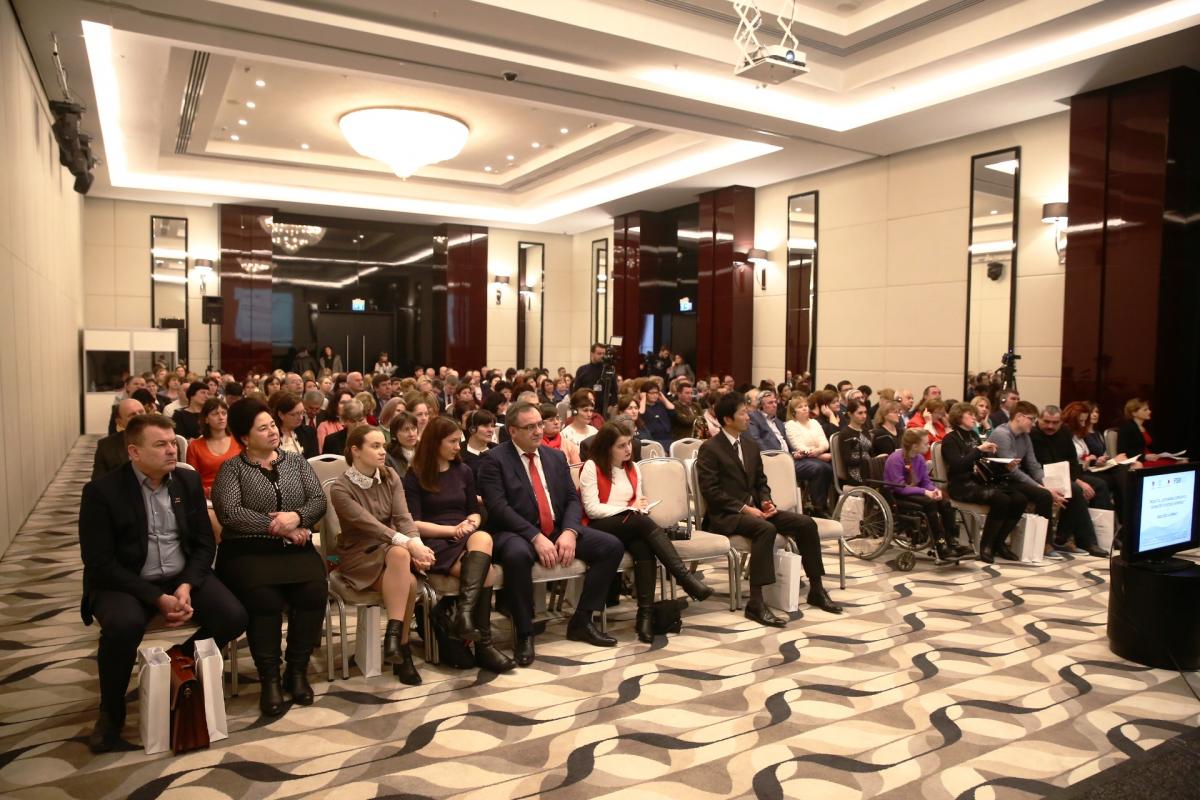
The event was attended by Masanobu Yoshii, Japanese Ambassador to the Republic of Moldova, Anna Akhalkatsi, World Bank Country Manager, Igor Sharov, Secretary General of the Ministry of Education, Culture and Research, Mircea Esanu, Executive Director of the Moldova Social Investment Fund, representatives of local authorities and educational institutions in the country.
Masanobu Yoshii, Japanese Ambassador to the Republic of Moldova, said: "Japan remains committed to assisting Moldova in developing a sustainable, stable economy and improving the quality of Moldovan citizens' lives. Like Moldova, Japan is not rich in natural resources, so the most important resources for us are human resources. This means capitalizing not only on the potential of children in general schools, but also children with disabilities, who need to be assisted for integration into society."
Ramps have been built, support rails and special doors have been mounted, pavement has been arranged, sanitary blocks have been adapted, water supply and sewerage systems, electrical, ventilation and heating systems and roofs have been replaced for about US $ 100,000 allocated for each school. Illumination of boardes in classrooms has been installed, elevators have been purchased. Resource Centers for children with special educational needs were created and equiped in schools, all of them include physiotherapy room, psychologist office and speech therapists room.
Anna Akhalkatsi, World Bank Country Manager, said: "The project is an important step in promoting the inclusion of children with special needs and disabilities, and 20 schools have already received support in this regard. These schools demonstrate an example that social inclusion is possible and shows how this works. The World Bank will continue to support Moldova so that we expand the number of schools, that will create infrastructure and capabilities to facilitate inclusion. "
Infrastructure adaptation is one of the four components of the Project, along with the development of regional strategies on social inclusion, training of inclusive education specialists, and community awareness of the need to integrate children with disabilities and special educational needs in mainstream schools.
According to the State Secretary of the Ministry of Education, Culture and Research, Igor Şarov, the Government has concluded the negotiations and is in the process of receiving the World Bank's agreement for the allocation of about 10 million dollars to schools in Moldova, in which a separate attention will be paid to the development of inclusive education.
The aim of the "Integration of children with disabilities in general schools" Project is to contribute to the "National Program for the Development of Inclusive Education in the Republic of Moldova for 2011-2020". 9056 pupils, out of which 413 with disabilities and special educational needs, learn in these 20 schools benefiting from the Project.
List of schools benefiting from the "Integration of children with disabilities in general schools" Project
LT "Olimp", or. Sângerei;
LT Cuhneşti, Glodeni;
Mănoileşti Gymnasium, Ungheni;
LT "D. Cantemir", Mandreşti, Teleneşti;
LT Balatina, Glodeni;
LT "C. Popovici", Nihoreni, Râşcani;
Russian LT nr.3, or. Drochia;
LT "Vasile Lupu", Susleni, Orhei;
LT "Alecu Russo", or. Orhei;
"Valeriu Bulicanu" Gymnasium, Bolduresti, Nisporeni;
LT Selişte, Nisporeni;
"Grigore Vieru" Gymnasium, Iurceni, Nisporeni;
LT "B.P. Haşdeu ", Olăneşti, Ştefan Vodă;
Filipeni, Leova Gymnasium;
LT "Cezar Radu", Leuşeni, Hânceşti;
LT "Universum", Sarata Galbena, Hancesti;
Gradişte Gymnasium, Cimişlia;
"Mihai Viteazul" Gymnasium, Straseni;
LT "D. Celenghir", Avdarma ATUG;
Sports Lyceum, Lipoveni, Cimislia.
